Somewhere in the forest…
Waldemar’s heart pounds in his chest. Heironymus Blitzen’s words echo in his mind, mixing with Fredrich’s doubts and his own thirst for answers. He makes the decision to follow the old druid’s advice, ignoring his eccentricities and focusing only on the path laid out before him. It’s the only way to make sense of all the horror in Bögenhafen and find his new mission.
Armed with a bag of valerian and a quiet determination, he ventures into the forest. He immerses himself in the silence, letting the wind’s murmur and the rustle of leaves surround him. He swallows the dry, bitter leaves, feeling the soporific effect almost immediately. He closes his eyes, letting go. Consciousness recedes, his thoughts grow cloudy, and he slides into a state of semi-trance, ready to listen for the calling.
The dream envelops him with the force of a punch to the stomach. It’s not the lush, green forest he left, but a sick and distorted version. Trees writhe in grotesque shapes, the leaves are an unnatural violet, and the bark seems to rot slowly. A deep agony, a dull and persistent pain, makes its way into his chest. It’s a pain that isn’t his, but the earth’s itself, a silent scream that echoes in the depths of his being, in communion with the dying plants. The ground is poisoned, barren, and arid, devoid of life.
Before him, a circle of ancient stones stands in the heart of the desolation. Inside, a naked figure dances. The face is familiar, but the blurry, distorted vision prevents him from recognizing it. The figure moves among a crowd of Beastmen, deformed and horrible creatures, who indulge in wild dances and shameless procreation, laughing and screaming. The man in the center, instead of fleeing, seems to take pleasure in the abominable spectacle, with a sick smile on his face.
The sky above them is a moonless night, but the stars are not white. They are blood-red, and their reddish glow seems to illuminate the hellish vision. Waldemar feels the forest’s rage and despair: the spirits of the earth have been offended, their home desecrated. He wakes with a start, gasping. The dream was so vivid, so real, that he can still feel the pain of the dying plants and the offense against the forest spirits. In that moment, he understands that his path isn’t just that of an herbalist, but of a defender. Part of his mission, he feels deep in his soul, is to put an end to all of it.
The following weeks slip by in a lazy routine in Weissbruck. The ordeals of Bögenhafen fade more and more into a bad dream, an incredible story told between sips of beer. The group members separate to attend to their own affairs, enjoying the relative peace.
Drumin dedicates himself to his alchemy, producing a small but profitable amount of gunpowder. The crowns he earns allow him to get by and, more importantly, to save money for an armor he’s commissioned, a suit of chainmail that will protect him on future journeys.
Fredrich spends his days with a local master craftsman, an expert in firearms. He learns to dismantle, clean, and load a pistol with the skill of a professional, finally feeling less vulnerable.
Paolino and Wolfgang dedicate themselves to an ambitious project: transforming the boat into a kind of floating inn. The idea is to combine the practicality of a mode of transport with the comfort of a place to serve food and beer, an activity that seems particularly suited to their talents.
Waldemar fully immerses himself in his new life as a druid. He spends long periods in the forest, meditating and trying to get in tune with the spirits of nature, as Heironymus advised him. The forest’s quiet calms and strengthens him, preparing him for his path.
Days pass, and the group moves from the Strauss sisters’ house to a nearby inn to maintain some anonymity and have more freedom. The evenings are a mix of conversation, drinking, and planning. Drumin’s chainmail isn’t ready yet, but the need to decide the next step is becoming more and more pressing.
Drumin is resolute: he absolutely wants to go to Grissenwald to report the death of the dwarf clan leader’s son, a duty he feels deeply. He doesn’t want to leave without his armor, for which he gave up a lot to be able to buy. Waldemar, on the other hand, pushes to head toward Unterbaum, near Kemperbad, for reasons related to his religion that he doesn’t explain in detail. The rest of the group adapts, with Fredrich slightly worried about the bounty on his head and eager not to stay in one place for too long. The road ahead seems to fork, and it’s up to them to decide which path to take.
The worries about the future become more and more concrete, and on the day set to make a final decision, an unexpected event shakes the city.
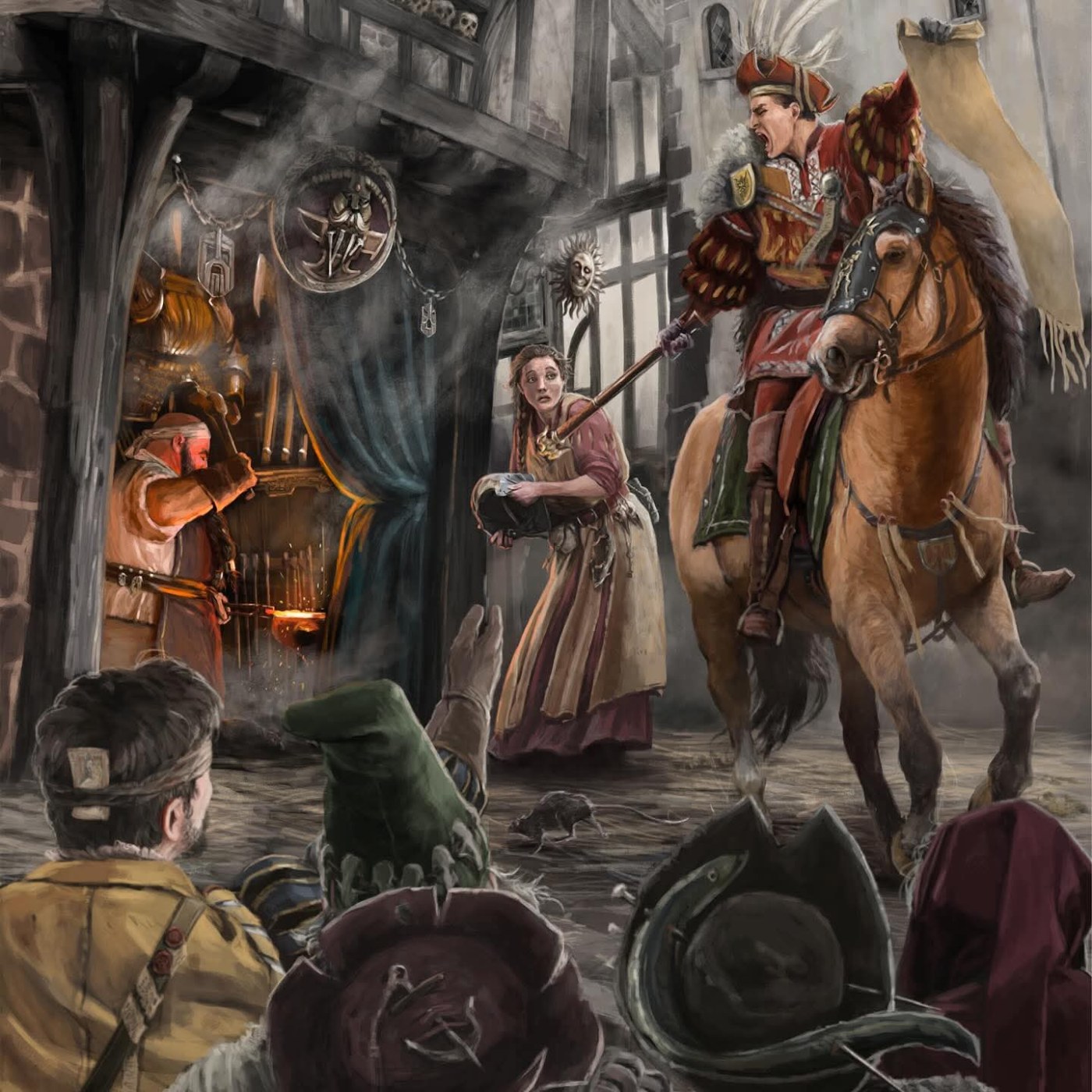
An Imperial messenger, escorted by two Knights of the Blazing Sun in full armor, appears in the main square. Their horses nervously paw at the cobblestones, and the people retreat into a respectful silence. Without dismounting, the messenger opens a pouch, takes out a parchment, and, though slightly intimidated, musters his courage, clears his throat, and reads aloud so that everyone can hear.
“By order of His Imperial Majesty, the Regal Karl-Franz, Sovereign of the Heights and Depths, True Image of Sigmar, and the Exalted Ruler of the Empire,” he begins in a firm voice.
The message that follows is short but revolutionary, and its content makes many hold their breath. The messenger continues to read, articulating each word with solemnity:
“Let it be known to all subjects of the Emperor that from this day forward the despicable practice of exiling, or otherwise casting out, those unfortunate creatures heretofore known as Mutants, shall cease. Measures are to be taken to allow all who bear physical deformities, whether congenital or developed in adulthood, to take their rightful place in society. It is the considered opinion of His Majesty that no beings called Mutants exist and that the application of such nomenclature shall from now on be illegal. Violation of any of the articles of this proclamation is punishable by death.”
The crowd gathered in the square reacts to the imperial proclamation with whistling and yelling. They shove and jostle the imperial messenger, who with a resolute air affixes the parchment to the central tree in the square. The heroes, witnesses to the scene, continue their daily activities, discussing the news with the other inhabitants of Weissbruck.
That evening at dinner, the conversation returns to the dilemma: go to Grissenwald or stop at Unterbaum after retrieving Drumin’s chainmail? The discussion is abruptly interrupted. A boy approaches the group’s table with a bottle of wine, offered by four shady figures who wave from the other side of the crowded tavern. Under the bottle, a note:
“My dear friend,
We cannot allow things to continue this way. The Inner Circle has too many matters to deal with to be so agitated by a runaway Magister Impedimentae. This is your final warning. Have the 20,000 gold crowns ready for delivery within the week, unless you prefer to bring them personally to Middenheim. Do not attempt to disappear, or we will ensure you live long enough to beg for the release of death. We will contact you…”
Fredrich’s face pales. They don’t have time to react or confront the four men, who they already see leaving through the main door of the inn. Their time in Weissbruck is over. After a quick discussion, they decide to sleep on the boat and leave at dawn the next day for Carrobourg. There, they will wait for a week, just enough time for the Weissbruck smith to finish Drumin’s chainmail, which they will then secretly retrieve. The dinner ends in a tense silence, and the group warily retreats to sleep on the boat.
The only one who doesn’t follow them is Waldemar, determined to say one last goodbye to Emma. He reaches the Strauss sisters’ house and spends time with her. The woman, with tear-filled eyes, confesses her desire for him to stay in Weissbruck and build a family. Waldemar, keeping the recent threat to himself, tells her with bitterness that the path he has chosen is that of a druid and that there is no room for stable relationships on this journey. Emma accepts his verdict, effectively ending their relationship.
The next morning, the group wakes up and realizes Waldemar is missing. They assume he stayed the night with Emma and decide to make a quick trip to get him before they leave. The city is still half-asleep as they head to the house. There, they see Emma crying hysterically on her sister’s shoulder, clutching a paper in her hand.
“We have your friend,” Wolfgang reads aloud. “Surrender yourselves unarmed tonight at the old Hiler farmhouse or ‘Herr Waldemar’ will be the first to announce your arrival in hell!“
————————-
Da qualche parte ,nella foresta..
Il cuore di Waldemar batte forte. Le parole di Heironymus Blitzen risuonano nella sua mente, mescolandosi con i dubbi di Fredrich e la sua stessa sete di risposte. Prende la decisione di seguire il consiglio del vecchio druido, ignorando le sue eccentricità e concentrandosi solo sulla via che gli è stata indicata. È l’unico modo per dare un senso a tutto l’orrore di Bögenhafen e trovare la sua nuova missione.
Armato di un sacchetto di valeriana e di una determinazione silenziosa, si avventura nella foresta. Si immerge nel silenzio, lasciando che il mormorio del vento e il fruscio delle foglie lo circondino. Inghiottisce le foglie secche e amare, sentendo quasi immediatamente l’effetto soporifero. Chiude gli occhi, lasciandosi andare. La coscienza si allontana, i pensieri si fanno confusi, e scivola in uno stato di semitrance, pronto ad ascoltare la chiamata.
Il sogno lo avvolge con la violenza di un pugno nello stomaco. Non è la foresta verde e rigogliosa che ha lasciato, ma una versione malata e distorta. Gli alberi si contorcono in forme grottesche, le foglie sono di un viola innaturale e le cortecce sembrano marcire lentamente. Una profonda agonia, un dolore sordo e persistente, si fa strada nel suo petto. È un dolore che non è suo, ma della terra stessa, un grido silenzioso che riecheggia nel profondo del suo essere, in comunione con le piante morenti. La terra è avvelenata, brulla e arida, priva di vita.
Davanti a lui, un cerchio di pietre antiche si erge nel cuore della desolazione. All’interno, una figura nuda danza. Il volto è familiare, ma la vista offuscata e distorta gli impedisce di riconoscerla. La figura si muove in mezzo a una folla di Uomini Bestia, creature deformi e orribili, che si abbandonano a danze folli e si riproducono senza vergogna, ridendo e urlando. L’uomo al centro, invece di fuggire, sembra compiacersi di quello spettacolo abominevole, con un sorriso malato sul volto.
Il cielo sopra di loro è una notte senza luna, ma le stelle non sono bianche. Sono color sangue, e il loro bagliore rossastro sembra illuminare quella visione infernale. Waldemar sente la rabbia e la disperazione della foresta: gli spiriti della terra sono stati offesi, la loro casa profanata. Si sveglia di soprassalto, con un sussulto. Il sogno è stato così vivido, così reale, da fargli percepire il dolore delle piante morenti e l’offesa agli spiriti della foresta. Capisce in quel momento che il suo cammino non è solo quello di un erborista, ma di un difensore. Parte della sua missione, sente nel profondo dell’anima, è porre fine a tutto ciò..
——————–
Le settimane successive scivolano via in un’oziosa routine a Weissbruck. Le peripezie di Bögenhafen assumono sempre più i toni sbiaditi di un brutto sogno, una storia incredibile raccontata tra un sorso di birra e l’altro. I componenti del gruppo si separano per le loro faccende, godendosi la relativa pace.
Drumin si dedica alla sua alchimia, producendo una piccola ma redditizia quantità di polvere da sparo. Le corone guadagnate gli permettono di arrotondare e, soprattutto, di mettere da parte i soldi per un’armatura che ha commissionato, una cotta di maglia che lo proteggerà nei viaggi futuri.
Fredrich passa le sue giornate con un anziano artigiano locale, un esperto di armi da fuoco. Impara a smontare, pulire e caricare una pistola con la perizia di un professionista, sentendosi finalmente meno vulnerabile.
Paolino e Wolfgang si dedicano a un progetto ambizioso: trasformare la nave in una sorta di locanda galleggiante. L’idea è quella di unire la praticità di un mezzo di trasporto con il comfort di un luogo dove servire cibo e birra, un’attività che sembra particolarmente adatta ai loro talenti.
Waldemar si immerge completamente nella sua nuova vita da druido. Passa lunghi periodi nella foresta, meditando e cercando di entrare in sintonia con gli spiriti della natura, come gli ha consigliato Heironymus. La quiete della foresta lo calma e lo rafforza, preparandolo per il suo percorso.
Passano i giorni, e il gruppo si trasferisce da casa delle sorelle Strauss a una locanda vicina, per mantenere un po’ di anonimato e avere maggiore libertà. Le serate sono un mix di chiacchiere, bevute e pianificazione. La cotta di maglia di Drumin non è ancora pronta, ma la necessità di decidere il prossimo passo si fa sempre più pressante.
Drumin è risoluto: vuole assolutamente andare a Grissenwald per comunicare la morte del figlio del capoclan nanico, un dovere che sente profondamente. Non vuole partire senza la sua armatura, a cui ha rinunciato molto per poterla comprare. Waldemar, invece, spinge per dirigersi a Unterbaum, vicino a Kemperbad, per motivi legati alla sua religione che non spiega in dettaglio. Il resto del gruppo si adatta, con Fredrich leggermente preoccupato per la taglia sulla sua testa e desideroso di non rimanere troppo a lungo in un posto. La strada da percorrere sembra biforcarsi, e spetta a loro decidere quale imboccare.
Le preoccupazioni sul futuro si fanno sempre più concrete, e il giorno stabilito per prendere una decisione finale sull’itinerario, un evento inaspettato scuote la città.
Un messo imperiale, scortato da due Cavalieri dell’Ordine del Cuore Ardente, imponenti nelle loro armature complete, si presenta sulla piazza principale. I loro cavalli scalpitano nervosamente sul selciato, e la gente si ritira in un silenzio rispettoso. Senza scendere da cavallo, il messo apre una bisaccia, estrae una pergamena e, sebbene leggermente intimorito, si fa coraggio, si schiarisce la voce e legge ad alta voce, in modo che tutti possano udire.
“Per ordine di Sua Maestà Imperiale, il Regale Karl-Franz, Sovrano delle Altezze e delle Profondità, Vera Immagine di Sigmar e l’Eccelso Sovrano dell’Impero,” inizia con voce ferma.
Il messaggio che segue è breve ma rivoluzionario, e il suo contenuto fa trattenere il respiro a molti. Il messo continua a leggere, scandendo ogni parola con solennità:
“Sia noto a tutti i sudditi dell’Imperatore che d’ora in poi la spregevole pratica di esiliare, o altrimenti deporre, quelle sfortunate creature finora note come Mutanti, cesserà. Devono essere prese misure per consentire a tutti coloro che presentano deformità fisiche, sia che le abbiano congenite, sia che le sviluppino in età adulta, di prendere il loro legittimo posto nella società. È opinione ponderata di Sua Maestà che non esistano esseri chiamati Mutanti e che l’applicazione di tale nomenclatura sia d’ora in poi illegale. La violazione di uno qualsiasi degli articoli di questo proclama è punibile con la morte.“
La folla riunita nella piazza reagisce al proclama imperiale con fischi e urla. Spintonano e strattonano il messo imperiale, che con fare risoluto affigge la pergamena all’albero centrale della piazza. Gli eroi, testimoni della scena, continuano le loro attività, discutendo della notizia con gli altri abitanti di Weissbruck.
La sera, a cena, la conversazione torna sul dilemma: andare a Grissenwald o fermarsi a Unterbaum dopo aver recuperato la cotta di maglia di Drumin? La discussione viene interrotta bruscamente. Un ragazzino si avvicina al tavolo del gruppo con una bottiglia di vino, offerta da quattro loschi figuri che salutano da lontano. Sotto la bottiglia, un biglietto:
“Mio caro amico,
Non possiamo permettere che le cose continuino in questo modo. Il Circolo Interno ha troppe cose da fare per agitarsi così tanto per un Magister Impedimentae in fuga. Questo è il tuo ultimo avvertimento. Tieni pronte le 20.000 corone d’oro per la consegna entro la settimana, a meno che tu non preferisca portarle personalmente a Middenheim. Non tentare di sparire, o faremo in modo che tu viva abbastanza a lungo da implorare la liberazione della morte. Ti contatteremo…“
Il volto di Fredrich impallidisce. Non hanno il tempo di reagire o di confrontarsi con i quattro, che già li vedono uscire dalla porta principale della locanda. Il tempo di Weissbruck è finito. Dopo una rapida discussione, decidono di dormire sulla barca e partire all’alba seguente in direzione Carrobourg. Lì, aspetteranno una settimana per dare tempo al fabbro di Weissbruck di finire la cotta di maglia di Drumin e la ritireranno in gran segreto. La cena finisce in un silenzio teso, e il gruppo si ritira sulla barca.
L’unico che non li segue è Waldemar, deciso a dare un ultimo saluto a Emma. Raggiunge la casa delle sorelle Strauss e si intrattiene con lei. La donna, con gli occhi lucidi, gli confessa il suo desiderio di vederlo restare a Weissbruck per costruire una famiglia. Waldemar, tacendo la minaccia appena ricevuta, le risponde con amarezza che la via che ha scelto è quella druidica e che non c’è spazio per relazioni stabili in quel percorso. Emma accetta la sua sentenza, ponendo fine, di fatto, alla loro relazione.
La mattina seguente, il gruppo si sveglia e si accorge dell’assenza di Waldemar. Pensano che sia rimasto a dormire da Emma e decidono di fare una rapida sortita per recuperarlo e partire. La città ancora sonnecchia mentre si dirigono verso l’abitazione. Lì, vedono Emma piangere disperata sulle spalle della sorella, stringendo un foglio nella mano.
“Abbiamo il vostro amico,” legge Wolfgang a voce alta. “Consegnatevi questa notte disarmati alla vecchia fattoria degli Hiler o ‘Herr Waldemar’ sarà il primo a preannunciarvi all’inferno!”


Leave a Reply